Mercedes CLK GTR Roadster & Coupe for sale








- 2002
Description
🇩🇪Mercedes CLK. GTR Coupe 200km as new IS FOR SALE ready to be imported to USA from Europe -Contact [email protected] 🏁 MERCEDES-BENZ CLK GTR ROADSTER — THE EXTREMELY RARE, OPEN-TOP GT1 RACE CAR THAT BECAME A ROAD-LEGAL LEGEND! 🏎️🔥💎
Few cars represent the golden age of GT1 racing as dramatically as the Mercedes-Benz CLK GTR. Developed to dominate international competition, this extraordinary machine brought together a carbon-fibre racing chassis, a powerful naturally aspirated V12 engine, cutting-edge motorsport engineering and an almost unimaginable price tag. But the Roadster took the concept even further: it removed the roof from one of the most uncompromising road cars ever built, creating an open-top machine with genuine GT1 racing DNA! 🇩🇪🏆
With only 20 production Coupés and 6 Roadsters, the CLK GTR is among the rarest and most extreme Mercedes-Benz road cars ever created. Its story involves championship victories, homologation regulations, HWA engineering, a special Super Sport specification and a fascinating chapter in the history of German motorsport. 🏁🔥
━━━━━━━━━━━━━━━━━━
🏆 1. BORN TO WIN THE FIA GT CHAMPIONSHIP
The story begins in the mid-1990s, when Mercedes-Benz decided to return to the forefront of international GT racing. The FIA GT Championship provided the perfect arena for manufacturers to compete with high-performance cars derived from road-going models.
Mercedes developed the CLK GTR specifically to challenge the established competition in the new GT1 category. The project was not simply about building a fast sports car: the objective was to develop a purpose-built racing machine capable of winning at the highest level of GT competition.
The result was a car that shared its name and some visual styling cues with the Mercedes-Benz CLK road car, but very little of its underlying engineering. Beneath the familiar Mercedes styling was a purpose-designed racing chassis, an aerodynamic body and a mid-mounted V12 engine.
🏁 The CLK GTR achieved its primary objective. The race car won the FIA GT Championship in both 1997 and 1998, establishing Mercedes-Benz as a dominant force in GT1 competition. 🇩🇪🥇
The 1998 season also saw the introduction of the CLK LM, a related but substantially revised competition car powered by a V8 engine. This evolution formed part of Mercedes-Benz’s continuing effort to improve its performance and competitiveness.
━━━━━━━━━━━━━━━━━━
📜 2. HOMOLOGATION — WHY MERCEDES HAD TO BUILD ROAD CARS
One of the most fascinating aspects of the CLK GTR is the reason road-going examples had to exist in the first place.
Under the relevant GT1 homologation regulations, manufacturers were required to produce a minimum number of road-going examples of the car on which their competition entry was based. The commonly cited requirement was 25 road cars.
Mercedes therefore faced an unusual challenge: it had developed a racing machine first, and now needed to make a version that could be legally driven on public roads.
The road-going CLK GTR, known in German as the Straßenversion, was the result. Rather than turning an ordinary production coupé into a performance car, Mercedes-AMG and HWA had to adapt a purpose-built competition concept into an extraordinarily exclusive road vehicle.
The road car retained many of the racing machine’s fundamental characteristics, including its carbon-fibre monocoque, mid-engine layout, V12 power and race-derived suspension architecture.
The road-going version was far more than a styling exercise. It was a crucial part of the wider motorsport programme.
🏎️ The CLK GTR is a true homologation special: a road car created because racing regulations demanded a road-going counterpart. That racing-first philosophy explains its uncompromising proportions, minimal practicality and remarkable engineering.
━━━━━━━━━━━━━━━━━━
📅 3. WHEN WERE THE CLK GTR COUPÉS BUILT?
The first road-going CLK GTR appeared as a prototype in 1997. Production of the remaining road cars followed at Affalterbach, Germany, through 1998 and into the middle of 1999.
The production figures generally cited for the road-car family are:
💎 20 production Coupés
🌪️ 6 Roadsters
🛠️ 2 prototypes
That gives a total of 28 cars, including the prototypes, with the precise accounting depending on whether a source counts prototypes, development cars and customer examples separately.
The 20 production Coupés were hand-built in cooperation with Mercedes-AMG and HWA. Each was an extraordinarily specialised vehicle, assembled in tiny numbers rather than manufactured on a conventional high-volume production line.
The Roadster was a later development. Although associated with the 2002 model year and announced as a special open-top version, the six examples were not necessarily all completed and delivered in 2002. Some were completed later, with five customer Roadsters reported as being built in 2006.
This distinction matters because a car’s model year, initial development date and actual manufacturing date are not always the same.
━━━━━━━━━━━━━━━━━━
💰 4. A PRICE TAG THAT MADE HISTORY
When new, the CLK GTR was one of the world’s most expensive production cars.
The original Coupé carried a reported price of approximately DM 2.65 million before German VAT, equivalent to roughly €1.35 million at the fixed historical conversion rate, or about €1.57 million including the German VAT quoted in contemporary reference accounts.
Depending on the exchange rate, tax treatment and market being discussed, the car’s original price is often described as being around £1 million or approximately $1.5–$1.6 million.
That extraordinary price reflected the car’s bespoke construction, limited production, racing technology and expensive V12 powertrain.
Unlike a conventional luxury coupé, the CLK GTR was not designed around mass-market production economics. Its engineering was heavily influenced by a racing programme, and every road-going example represented a substantial investment in specialised components and assembly.
💎 Today, its rarity, competition pedigree and place in Mercedes-Benz history have made it a highly sought-after collector car.
━━━━━━━━━━━━━━━━━━
🔧 5. H.W.A. — THE ENGINEERING COMPANY BEHIND THE EXTREME MACHINES
HWA stands for Hans-Werner Aufrecht, one of the central figures in AMG’s history.
HWA was established as a specialist motorsport and engineering company associated with the Mercedes-AMG performance world. After Mercedes-Benz acquired AMG, HWA developed its own independent corporate identity while continuing to work on specialist Mercedes-based racing and performance projects.
HWA played an important role in the CLK GTR programme, including the construction of the road-going cars and the development of further specialised versions.
Its expertise was particularly relevant to a vehicle like the CLK GTR. This was not a conventional road car requiring a simple engine tune or cosmetic package. Its underlying design already came from a competition programme, so modifications needed to work with a sophisticated chassis, drivetrain and aerodynamic package.
The HWA name is therefore closely associated with the CLK GTR’s transformation from a championship-winning racing concept into a road-going collector car.
🏁 HWA’s involvement is part of what makes the CLK GTR so special: it connects the car directly to the engineering culture of Mercedes-Benz’s GT racing programme.
━━━━━━━━━━━━━━━━━━
🔥 6. THE RARE SUPER SPORT SPECIFICATION
The CLK GTR Super Sport represents an even more specialised chapter in the story.
Only a very small number of CLK GTRs received the more extreme Super Sport treatment. Two examples are commonly identified with the factory Super Sport specification, although accounts differ on the number of cars subsequently upgraded by HWA.
The best-known Super Sport configuration uses a larger 7.3-litre V12, replacing the standard road car’s approximately 6.9-litre engine.
The larger engine belongs to the Mercedes-AMG M297 V12 family and is related to the powertrain technology used in other specialist AMG models, including the SL 73 AMG and certain Pagani Zonda versions.
The Super Sport conversion is reported to include:
⚙️ A 7,291 cc V12 engine.
💪 Approximately 655 bhp in commonly cited specifications, with some sources quoting different outputs.
🌪️ An additional front splitter to improve aerodynamic performance.
🏎️ A more extreme setup intended to deliver greater performance and stability at high speeds.
The additional displacement and revised aerodynamic details helped distinguish the Super Sport cars from the already exceptional standard CLK GTR.
Importantly, not every CLK GTR fitted with a 7.3-litre engine should automatically be described as an original factory Super Sport. Some cars were modified later, and the exact history of each chassis matters.
The Super Sport story illustrates how HWA could take an already extreme road-going racing car and push its engineering even further.
━━━━━━━━━━━━━━━━━━
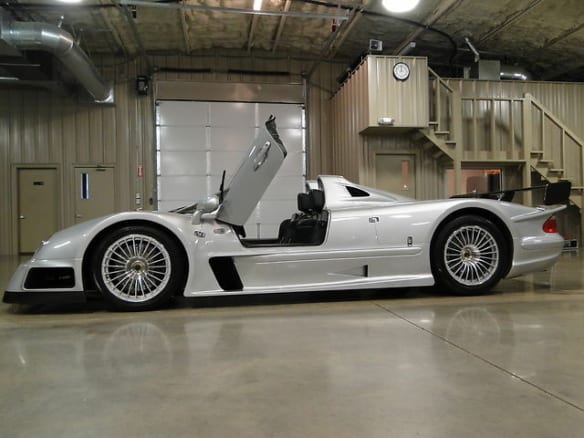
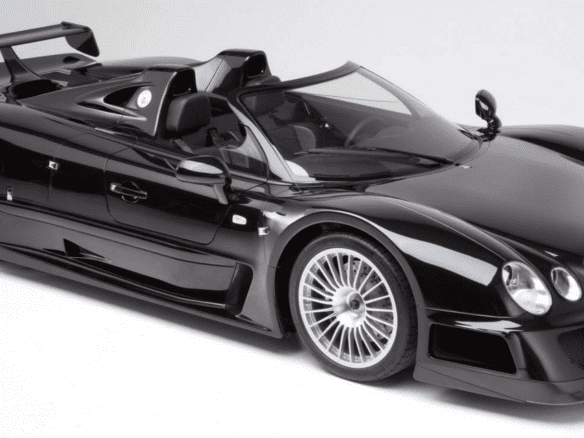
🌪️ 7. THE CLK GTR ROADSTER — A RACE CAR WITHOUT A ROOF
The Roadster is perhaps the most visually dramatic expression of the CLK GTR concept.
With its roof removed, the car retains the broad bodywork, low nose, pronounced wheel arches and racing proportions that make the Coupé look like a competition car with number plates.
However, creating the Roadster required more than simply cutting off the roof.
The conversion involved substantial changes to the bodywork and associated components. The Roadster features revised engine-air-intake arrangements, a different rear-wing configuration, a modified front grille and integrated rollover protection behind the occupants.
The removal of the fixed roof also changed the car’s visual character. The Coupé looks like a closed endurance racer, while the Roadster looks like an experimental racing prototype adapted for the road.
Its structure retains the carbon-fibre monocoque architecture that defines the CLK GTR. An integrated steel rollover structure provides additional protection for occupants in the open cockpit.
There is no conventional removable hardtop or fully enclosed roof in the original Roadster concept. Its appeal lies precisely in its open configuration.
🏎️ The CLK GTR Roadster is not simply a convertible version of a Mercedes coupé. It is a specialist derivative of a carbon-fibre, V12-powered homologation car.
━━━━━━━━━━━━━━━━━━
💎 8. HOW MANY ROADSTERS WERE ACTUALLY BUILT?
This is one of the most interesting details in the CLK GTR’s history.
The Roadster programme is frequently described as having begun in 2002, with five customer cars originally planned or produced according to some contemporary accounts.
However, more detailed accounts identify six CLK GTR Roadsters in total.
The difference appears to relate to the distinction between customer cars, development examples and the later completion or release of an additional car. Sources also differ on when the final examples were completed.
The safest way to describe the model is therefore:
🏁 Six Roadsters in total are widely documented.
💎 Five were associated with the original customer production run in accounts that distinguish them from an additional example.
📅 Although the Roadster is commonly referred to as a 2002 model, some examples were completed later, including cars documented as built in 2006.
This explains why different publications sometimes report five or six examples. The discrepancy should not be mistaken for evidence that the car was ever produced in meaningful numbers: whichever accounting method is used, the Roadster remains exceptionally rare.
━━━━━━━━━━━━━━━━━━
🧬 9. CARBON-FIBRE MONOCOQUE — RACING TECHNOLOGY FOR THE ROAD
One of the most important features of the CLK GTR is its carbon-fibre monocoque chassis.
A monocoque uses its structural body as a major load-bearing component rather than relying exclusively on a separate conventional frame. In the CLK GTR, the carbon-fibre structure was derived from the car’s racing philosophy, offering high structural stiffness and low weight.
The road-going car shares fundamental construction principles with its competition counterpart, along with racing-derived suspension architecture.
This is a very different engineering approach from that of a typical luxury coupé. The CLK GTR was conceived around the demands of high-speed competition, so the chassis, powertrain layout and bodywork were designed as parts of a coherent performance system.
The Roadster’s structural engineering is particularly significant because removing a roof changes the body’s structural requirements. The rollover structure and other modifications were necessary to adapt the concept for open-top use.
Its construction is one reason the CLK GTR feels closer to a racing prototype than to a conventional road car.
⚙️ Carbon-fibre structure. Mid-engine packaging. Racing-derived suspension. Bespoke bodywork. The CLK GTR combines all of these characteristics in a road-legal machine.
━━━━━━━━━━━━━━━━━━
🔥 10. THE V12 ENGINE — A MECHANICAL MASTERPIECE
The CLK GTR’s V12 engine is central to its identity.
The road-going Coupé uses a naturally aspirated V12 of approximately 6.9 litres, with commonly quoted output figures of around 631 PS and 731 Nm of torque. Figures vary slightly between sources and specifications.
The Roadster is commonly quoted at approximately 612 PS, while its torque is reported at around 775 Nm. The exact figures should be matched to the specific vehicle and source being used.
The Super Sport configuration takes the concept further with a 7.3-litre V12, often quoted at approximately 655 bhp.
Unlike a turbocharged engine, a naturally aspirated V12 draws air into its cylinders without using exhaust-driven turbochargers. This arrangement gives the engine a distinctive response and character, while its twelve cylinders provide the smoothness and performance expected of a high-end Mercedes-AMG powertrain.
The engine sits behind the occupants in a mid-engine layout, sending power to the rear wheels.
The combination of a large-displacement V12, a lightweight structural platform and rear-wheel drive gives the CLK GTR the fundamental architecture of a supercar designed around motorsport.
🏎️ This is the essence of the CLK GTR: a road-going machine whose engineering priorities were shaped by competition rather than everyday convenience.
━━━━━━━━━━━━━━━━━━
⚙️ 11. TRANSMISSION, PERFORMANCE AND DRIVING CHARACTER
The CLK GTR uses a six-speed sequential transmission derived from the requirements of racing.
Rather than a conventional luxury-car automatic, its sequential gearbox is designed around rapid gear selection and the performance demands of a high-output mid-engine vehicle.
Gear changes are controlled through steering-wheel-mounted paddles or switches in the road-going configuration, depending on the specific description and version.
The Coupé is commonly quoted with a top speed of approximately 320–344 km/h, with some published specifications differing according to version and measurement method.
Acceleration figures also vary, but the car is generally described as capable of reaching 100 km/h from rest in around 3.8 seconds.
The larger-engine Super Sport configuration has been associated with higher claimed top speeds, sometimes quoted at up to 375 km/h. Such figures should be understood as specification claims rather than a guarantee for every individual vehicle.
These numbers are impressive, but the car’s significance is not limited to straight-line speed. Its sequential transmission, carbon-fibre chassis, racing-derived suspension and mid-engine layout all reflect its origins in high-speed circuit competition.
🏁 It was developed to win races first, with road use accommodated around that objective.
━━━━━━━━━━━━━━━━━━
🇺🇸 12. CAN THE CLK GTR BE IMPORTED INTO THE UNITED STATES?
For collectors considering a CLK GTR, the American import rules are an important part of the story.
The United States has a federal 25-year rule administered by the National Highway Traffic Safety Administration (NHTSA). Generally, a vehicle at least 25 years old can be imported without needing to comply with modern Federal Motor Vehicle Safety Standards, subject to the applicable documentation and import procedures.
The key factor is the vehicle’s actual manufacturing date, not simply the year in which a seller describes it or the model year shown in an advertisement.
📅 CLK GTR Coupé — generally eligible by age in 2026
The road-going Coupés were manufactured in 1998–1999, following the earlier prototype. By October 2026, genuine examples manufactured in those years have passed the federal 25-year threshold.
🌪️ CLK GTR Roadster — check the exact manufacturing date
The Roadster is often described as a 2002 model, but some examples were completed later, including cars documented as manufactured in 2006.
A Roadster actually manufactured in 2002 reaches its 25-year point in 2027, on the relevant anniversary of its manufacture. An example manufactured in 2006 would generally not reach that point until 2031.
That distinction is important: a Roadster advertised as a 2002 model should not be assumed to qualify in 2026 without verifying its actual production date and paperwork.
There are additional considerations:
- EPA emissions rules: The Environmental Protection Agency administers a separate import regime. Its age-related exemption is generally associated with vehicles at least 21 years old that retain their original, unmodified engine configuration, subject to the applicable rules.
- State registration: Individual states have their own registration, title and road-use requirements.
- Customs and documentation: Importers must satisfy the applicable customs procedures and provide the required vehicle documentation.
- Prior federalisation: A car previously imported and modified to meet U.S. requirements may have a different documentary history from an example entering the country for the first time.
Some CLK GTRs have already been imported into the United States and federalised, demonstrating that importation is possible in specific cases. However, that does not mean every example can automatically be imported and registered under identical conditions.
🇺🇸 Bottom line: The 1998–1999 Coupés have passed the federal 25-year threshold. For a Roadster, establish the actual build date and confirm the current NHTSA, EPA, customs and state requirements before committing to a purchase.
━━━━━━━━━━━━━━━━━━
💰 13. A COLLECTOR CAR OF EXCEPTIONAL RARITY
The CLK GTR’s collectability comes from the convergence of several unusual characteristics.
First, it is directly associated with a successful FIA GT Championship programme. Second, its road-going versions were manufactured in exceptionally small numbers. Third, the car’s carbon-fibre chassis and V12 engine make it technically distinctive. Finally, the Roadster and Super Sport derivatives offer even rarer variations of an already limited-production design.
The Roadster is especially significant because it combines the CLK GTR’s racing-inspired architecture with open-top bodywork. The result is visually unlike an ordinary Mercedes-Benz production car and remains closely associated with the specialised world of GT1 homologation cars.
Individual chassis histories are essential when evaluating a particular car. Production number, original specification, engine configuration, later HWA modifications, ownership history, maintenance records and import documentation can all affect its significance and value.
For the Super Sport cars, establishing whether a particular example left the factory in that configuration or was converted later is especially important.
💎 In this category of vehicle, authenticity and provenance are every bit as important as headline performance figures.
━━━━━━━━━━━━━━━━━━
❤️🔥 14. WHY THE CLK GTR ROADSTER REMAINS SO SPECIAL
The Mercedes-Benz CLK GTR Roadster represents an extraordinary moment in automotive history: a period when manufacturers created extreme GT1 machines and then produced road-going versions to meet competition regulations.
Its story combines the ambition of Mercedes-Benz, the racing expertise of HWA, the engineering identity of AMG and the demands of FIA GT competition.
The Coupé embodies the original racing-first concept. The Roadster adds an open cockpit and an even more unusual silhouette. The Super Sport specification demonstrates how far the platform could be pushed through specialist engineering.
With six Roadsters widely documented, 20 production Coupés and a tiny number of more extreme Super Sport examples, the CLK GTR family remains one of the most exclusive chapters in the Mercedes-Benz performance story.
🇩🇪 Carbon-fibre monocoque.
🏎️ Mid-mounted V12 power.
🏁 FIA GT Championship-winning heritage.
🔧 HWA engineering.
💎 Exceptionally limited production.
🌪️ An open-top version of a genuine homologation special.
The CLK GTR Roadster is not simply a rare convertible or an expensive collector car. It is a physical link to the uncompromising era of GT1 racing — a road-legal machine shaped by competition, built in tiny numbers and remembered for its extraordinary engineering.
A race car for the road. A V12 legend. An icon of German motorsport. 🇩🇪🏆🔥
#MercedesBenz #MercedesAMG #CLKGTR #CLKGTRRoadster #CLKGTRCoupe #HWA #HansWernerAufrecht #SuperSport #GT1 #FIAGT #HomologationSpecial #V12 #CarbonFibre #RareCars #Supercars #HypercarHistory #GermanEngineering #MotorsportHistory #ClassicMercedes #CollectorCars #USImport #25YearRule 🏁🇩🇪
Details
Updated on October 21, 2026 at 8:58 pm-
Year Built 2002
Similar Listings
BMF Super Car Collection (USA) 🇺🇸
- €40,000,000

The Blue Ferrari Collection (Germany) 🇩🇪
- €20,000,000
Junior Private Collection (Brazil) 🇧🇷
- €20,000,000

Pagani Raduno 🏎️ Organized by Pagani Automobili 🇮🇹 🌍
- €30,000
- €55,000
Michael Jordan’s Car Collection (USA) 🇺🇸
- €10,000,000