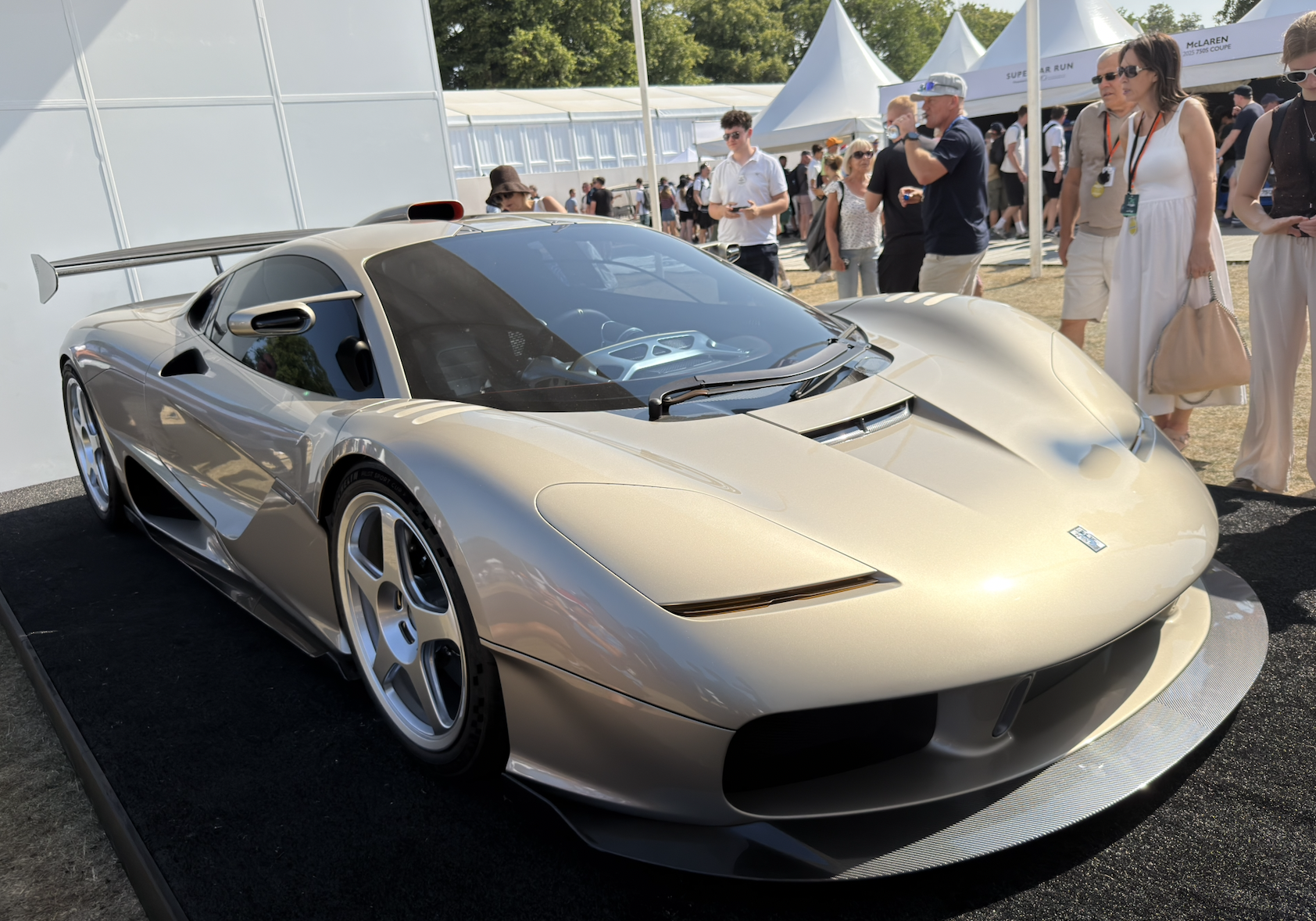
Ferrari Classiche Program: 🏎️🔍 A Comprehensive Guide to Preserving Iconic Prancing Horses 🇮🇹🏆
- €20,000
- €20,000
Description
Ferrari Classiche Program: A Comprehensive Guide to Preserving Iconic Prancing Horses
🇮🇹🏆 🏎️🔍
Ferrari Classiche represents the pinnacle of automotive heritage preservation, offering official authentication, restoration, and certification for Ferrari’s legendary vehicles since its launch in 2005. Designed to safeguard the authenticity, provenance, and value of classic models, the program draws on Ferrari’s vast archives, expert craftsmanship, and cutting-edge technology to ensure every certified car remains a faithful embodiment of Enzo Ferrari’s visionary engineering. As of August 31, 2025, with over 10,000 vehicles certified worldwide, Classiche has evolved into a multimillion-euro ecosystem that not only protects history but also enhances collector investments, supports historic racing, and fosters a global community of enthusiasts. From road-going grand tourers to Formula 1 racers, this program covers a broad spectrum of models, blending tradition with modern innovations like 3D scanning and digital archiving. Below, we delve into every aspect with full facts, structured for clarity. 🌟🛡️📜
History and Launch: From Heritage Certificates to Global Authority 📜🕰️🚀
Ferrari’s journey into official heritage preservation began in 2002 with the introduction of basic Heritage certificates—a simple, one-page document issued online after owners submitted chassis, engine, transmission, and differential numbers, without any physical inspections required. By 2005, around 1,000 such certificates had been distributed, providing a rudimentary proof of authenticity amid rising concerns over fakes and replicas in the booming classic car market. However, this system proved insufficient as vehicle values skyrocketed and external bodies like the Fédération Internationale de l’Automobile (FIA) intensified scrutiny of historic race cars between 2002 and 2005, prompting Ferrari to establish its own rigorous standards. 💡🔍
In 2005, Ferrari officially launched the Classiche program to authenticate, restore, and certify classic models, ensuring the brand retained control over originality definitions for iconic vehicles like the 250 GTO. The program’s dedicated workshop opened in July 2006 in Maranello’s historic foundry building, inaugurated by then-CEO Luca di Montezemolo, marking a shift toward comprehensive, in-house services. This initiative addressed the growing demand from collectors for verified provenance, combating counterfeit parts and unauthorized modifications that could devalue multimillion-dollar assets. Over the years, Classiche has expanded globally, with authorized facilities in key markets, and by 2025, it incorporates advanced tools like metallurgy spectrometers and digital Red Books for enhanced accessibility. The program’s roots in FIA inspections underscore Ferrari’s proactive stance, turning potential regulatory challenges into a branded strength that generates significant revenue through certifications and restorations. 📈🛡️
Eligibility Criteria: Which Models Qualify for Certification 📅🚘🏁
Ferrari Classiche applies to a precisely defined yet expansive range of vehicles, prioritizing historical significance, age, and type to maintain its focus on true classics. The program’s inclusivity ensures that both everyday enthusiasts and high-end collectors can participate, with eligibility rules designed for transparency and fairness. As of 2025, these criteria have remained consistent since inception, though they’ve adapted to include emerging classics from the early 2000s. ✅🔎
Road-Going Ferrari Models: 20-Year Age Requirement 🇮🇹🚗
For road-legal Ferrari vehicles, eligibility mandates at least 20 years of age from production or registration year, encompassing a wide array of grand tourers, sports cars, and supercars built in 2005 or earlier. This category is subdivided by era for clarity, highlighting key models with their production spans and notable features. 🏳️🌈📅
- 1950s-1960s Era: Vintage Icons 🏁 The foundational classics, including the 250 series such as the 250 GTO (1962-1964, legendary racer with 36 surviving examples), 250 GT Berlinetta Lusso (1962-1964, elegant grand tourer), and 250 California Spyder (1957-1963, open-top beauty prized for design). Other standouts: 275 GTB (1964-1968, first transaxle V12) and 330 GT 2+2 (1964-1967, family-friendly performer). These models epitomize Enzo-era innovation and racing pedigree.
- 1970s-1980s Era: Mid-Engine Revolution 🏳️ Transitional designs like the 308 GTB/GTS (1975-1985, fiberglass-bodied V8), 328 GTB/GTS (1985-1989, refined evolution with ABS), Testarossa (1984-1991, side-straked supercar icon), and F40 (1987-1992, turbocharged tribute to Enzo, last personally approved model). Also includes the 365 GTB/4 Daytona (1968-1973, front-engine V12 powerhouse). These represent Ferrari’s shift to mid-engine layouts and pop culture fame.
- 1990s-Early 2000s Era: Modern Classics Approaching Vintage Status 🏳️🌈 Advanced performers such as the F355 (1994-1999, F1-style paddle shifters), 360 Modena (1999-2005, aluminum chassis pioneer), 550 Maranello (1996-2002, front-engine GT revival), and early F430 (2004-2005 builds, E-Diff equipped). Models like the 575M Maranello (2002-2006) qualify if pre-September 2005. This era bridges analog driving with digital aids, with Ferrari’s Premium program aiding transition to Classiche.
Formula 1 Single-Seaters: Unrestricted Access Regardless of Age 🇮🇹🏆
All Ferrari F1 cars qualify without age limits, celebrating the Scuderia’s 1950-onward legacy. Subdivided by era to clarify evolution: 🏁🔥
- 1950s-1970s Era: Early Champions 🏳️ Pioneers like the 500 F2 (1952-1953, first world title winner), 312 series (1966-1974, including 312B with flat-12 engine and 312T, 1975-1980 champion).
- 1980s-1990s Era: Turbo and V12 Dominance 🏳️🌈 Turbocharged models such as the 126C (1981-1984, Constructors’ titles) and F1/87 (1987, advanced aerodynamics), plus V10-era F310 (1996, Schumacher’s first Ferrari).
- 2000s-Present Era: Hybrid and Modern Masters 🏳️ Icons like the F2002 (2002, Schumacher dominance), F2007 (2007, Raikkonen title), SF70H (2017, hybrid contender), and SF90 (2019, high-downforce design). Even recent models like the SF-24 (2024) will qualify post-season. Hundreds certified for museums and events, preserving 16 Constructors’ Championships.
Sports Prototypes and Competition Models: No Age Barriers for Racers 🇮🇹🏎️
Endurance and track-focused vehicles eligible anytime, grouped by competition type and era: 🛡️🏁
- 1950s-1970s Era: Le Mans Legends 🏳️ Prototypes like the 250 Testa Rossa (1957-1961, three Le Mans wins), 330 P4 (1967, Daytona victor), and 512 S/M (1970-1971, bold Group 5 racer).
- 1980s-2000s Era: Group C and IMSA Warriors 🏳️🌈 Models such as the 333 SP (1994-2001, IMSA champion with V12 power).
- 2010s-Present Era: GT and Hybrid Contenders 🏳️ Modern racers like the 458 GT2 (2011-2016, GTE class winner), 488 GTE (2016-2021, Le Mans class triumphs), and 499P (2023, hybrid Le Mans overall winner). Includes Ferrari Challenge and GT3 variants with documented histories.
Special Series and Limited-Edition Models: Flexible for Exclusives 🇮🇹🌟
Rare hypercars and one-offs with adaptable rules, often qualifying early due to uniqueness: 💎🏳️🌈
- Hypercar Icons 🏁 Enzo (2002-2004, V12 tribute), F50 (1995-1997, F1-derived roadster), FXX (2005, track-only evolution).
- Modern Limited Editions 🏳️ LaFerrari (2013-2018, hybrid flagship nearing 2030s eligibility), SP1/SP2 Monza (2018-2019, barchetta revival), P80/C (2019, bespoke track car). Early 2000s like 430 Scuderia (2007-2009) approach via refreshes.
Exclusions: Non-Ferrari badges, non-original chassis, or failed inspections. Processes at Maranello or 50+ dealers (10 in US). 🌐🛑
Certification Process: Step-by-Step Rigor 🔎📋🛠️
The Ferrari Classiche certification process is a meticulous four-phase journey ensuring unparalleled authenticity, available at authorized dealers or Maranello headquarters, and culminating in official documentation that boosts vehicle value by 15-25%. Owners initiate by submitting applications, triggering inspections that blend expert analysis with archival research. 🔄📸
Phase one: A comprehensive technical inspection collects high-resolution photographs, measurements, and condition data on the chassis, bodywork, interior, mechanical systems, and electrics. Phase two: Archival verification compares the vehicle to factory specs, blueprints, and records—chassis originality is mandatory, while documented period mods (e.g., racing upgrades) may pass. Phase three: A detailed Certification Report goes to the independent committee, chaired by Piero Ferrari (Enzo’s son), for approval, rejection, or suspension if non-original parts need replacement. Phase four: Successful applicants receive signed certificates with badges and evidence. In 2025, tools like 3D scanning and €30,000+ spectrometers enable non-destructive testing for accuracy. 🔬🛑
Post-certification, annual services at authorized workshops—documented in a Service Manual with stamps—are required to retain status, costing €1,000-€3,000 per visit. Non-compliance risks revocation, ensuring ongoing preservation. This process has deterred fakes, with replicas rarely qualifying. 📖🔧
The Red Book and Specialized Certifications: Proof of Provenance 📕🏆🌈
Central to Classiche is the “Red Book”—a luxurious hard-bound document in a protective case, featuring a replica data plate, photos, specs, and history—as the ultimate authenticity passport. Issued post-approval, it’s essential for auctions and events. Variants include the Yellow Book for limited editions (e.g., LaFerrari, Enzo), Grey Book for 70th Anniversary models, and White Book for uniques like the 250 GT “Breadvan” or prototypes. Competition cars get event stamps for races like the Mille Miglia. By 2025, digital supplements with QR codes offer online archive access, blending analog prestige with modern convenience. 📘💻
Costs and Fees: Investment in Heritage 💰📈💸
Certification fees reflect model rarity and complexity, starting at €3,000-€6,000 for basics like a 308 GTB, rising to €16,000-€25,000+ for 250 GTOs, including metallurgy tests (€1,500-€2,000 each) and research (€500-€5,000). From 2010’s $7,500 baseline for GTOs, 2025 figures account for inflation and expansions, with ultra-rare packages exceeding €50,000. On-site inspections add travel costs, and non-original part replacements are owner-funded. Annual maintenance ensures certification validity, viewed as worthwhile for 15-25% value uplifts. 📊🛠️
Restoration Services: Factory-Fresh Rebirths 🛠️🔨🏭
Full restorations at Maranello’s 2006-opened workshop return cars to original specs using period methods, avoiding over-restoration. Services include V12 rebuilds (new blocks for 275 GTBs), bodywork by specialists like Brandoli or Autosport, and painting by Zanasi or Carrozzeria Mirage. Outsourcing to experts like Modena Motori for engines allows expertise, with Ferrari adding 30-40% markups for multimillion-euro revenue. Projects take 12-24 months, costing €500,000-€1M+ for top models, with over 200 completed by 2025. Eligibility aligns with certification, including Premium parts for wear items, positioning Ferrari ahead of rivals like Porsche Classic. 🏎️🔥
Statistics and Achievements: Milestones and Impact 📊🌍🏅
By 2017, nearly 6,000 certifications were issued, with 1,000 in the US; by 2025, totals exceed 10,000 globally, led by Europe. All 36 surviving 250 GTOs are certified, valuing them at $50-80M. Revenue supports events like Italian tours and Fiorano clubs. Achievements include certifying uniques like the white 250 GTO (chassis 3729GT, 2008 first) and 330 LM/250 GTO (chassis 3765LM, 2025 debut). Certified cars command premiums at Pebble Beach or Goodwood, proving the program’s market influence. 📈🎉
Notable Certifications and Examples: Legends Authenticated 🏎️🔥🌟
Early benchmarks include chassis 3729GT (2008, only factory-white GTO, raced by Graham Hill) and 3413GT ($48.4M in 2018). The 1963 4153GT sold for $70M privately. In 2025, chassis 3765LM post-restoration shines at Cavallino Classic. Others: 275 GTB with new engine, Schumacher-era F1s, and LaFerrari Yellow Books. These affirm racing pedigrees from Le Mans to Tour de France. 🎖️🕰️
Benefits and Value Impact: Beyond Preservation 📈💎💼
Certified owners gain VIP event access, parts priority, and racing eligibility. Values rise 15-25%, acting as fake insurance in auctions. Environmentally, it extends lifespans, aligning with sustainability. Overall, Classiche transforms passion into a profitable, global ecosystem for Ferrari aficionados. 🎊🚀
Ferrari Classiche certification process for classic models 🔍, 🏎️ Cost of Ferrari Classiche Red Book in 2025 💰, 📜 History of Ferrari Classiche program launch in 2005 🕰️, 🇮🇹 Eligible Ferrari road cars over 20 years old for Classiche ✅, 🏆 Ferrari F1 single-seaters Classiche eligibility without age limits 🔥, 🛡️ Sports prototypes and competition models in Ferrari Classiche 🏁, 🌟 Limited edition Ferrari hypercars for Classiche certification 💎, 🔧 Ferrari Classiche restoration services at Maranello workshop 🛠️, 📕 What is the Ferrari Classiche Red Book and variants 📘, 📊 Statistics on Ferrari Classiche certifications by 2025 🌍, 🎖️ Notable Ferrari 250 GTO certifications and examples 🏅, 📈 Benefits of Ferrari Classiche for vehicle value and events 💼, 🔎 Step-by-step Ferrari Classiche certification phases 📋, 🇮🇹 Ferrari Classiche Officine maintenance program details 🛑, 🏳️🌈 Ferrari models from 1950s to 2000s eligible for Classiche 🚘, 🏁 Le Mans winning Ferrari prototypes in Classiche program 🏅, 💸 Ferrari Classiche fees for metallurgy tests and research 📉, 🎉 Ferrari Classiche achievements and milestones in 2025 📅, 🕰️ Enzo-era Ferrari grand tourers Classiche eligibility 🇮🇹, 🔄 Annual service requirements for Ferrari Classiche certification 📖. These phrases target specific queries from collectors, historians, and enthusiasts, incorporating keyword modifiers like dates, models, and processes for better search engine ranking. 🎯
Details
Updated on August 31, 2025 at 5:07 pm-
Property ID 136359
-
Price €20,000
-
Property Status Ferrari Classiche, Ferrari Drivers

Similar Listings
BMF Super Car Collection (USA) 🇺🇸
- €40,000,000
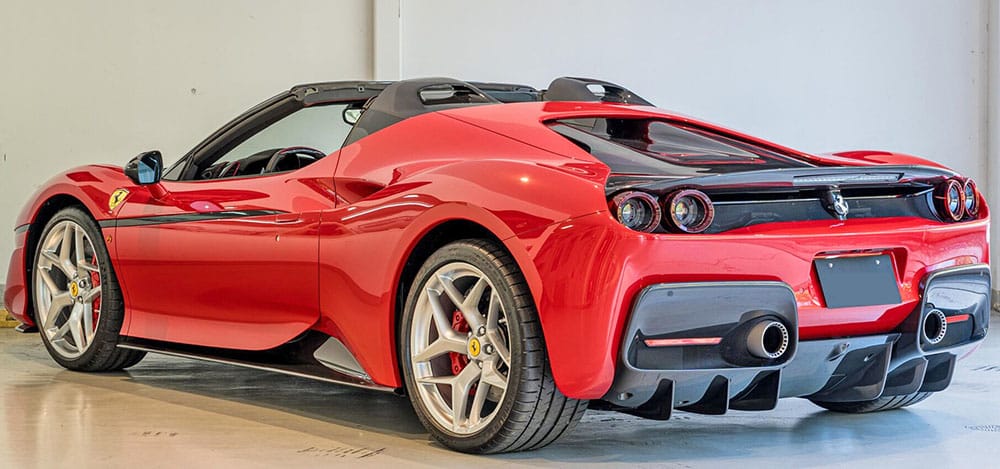

The Blue Ferrari Collection (Germany) 🇩🇪
- €20,000,000
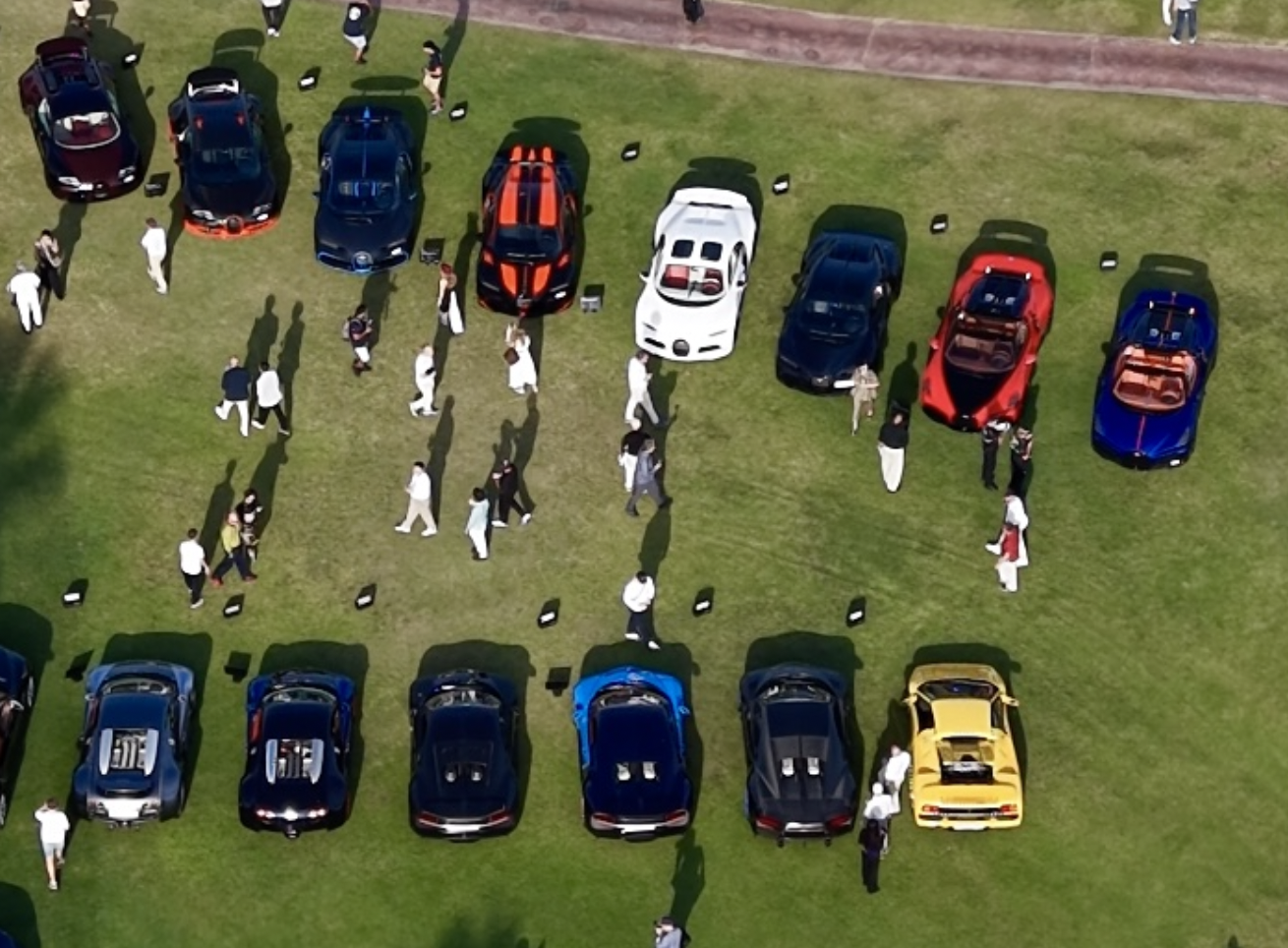
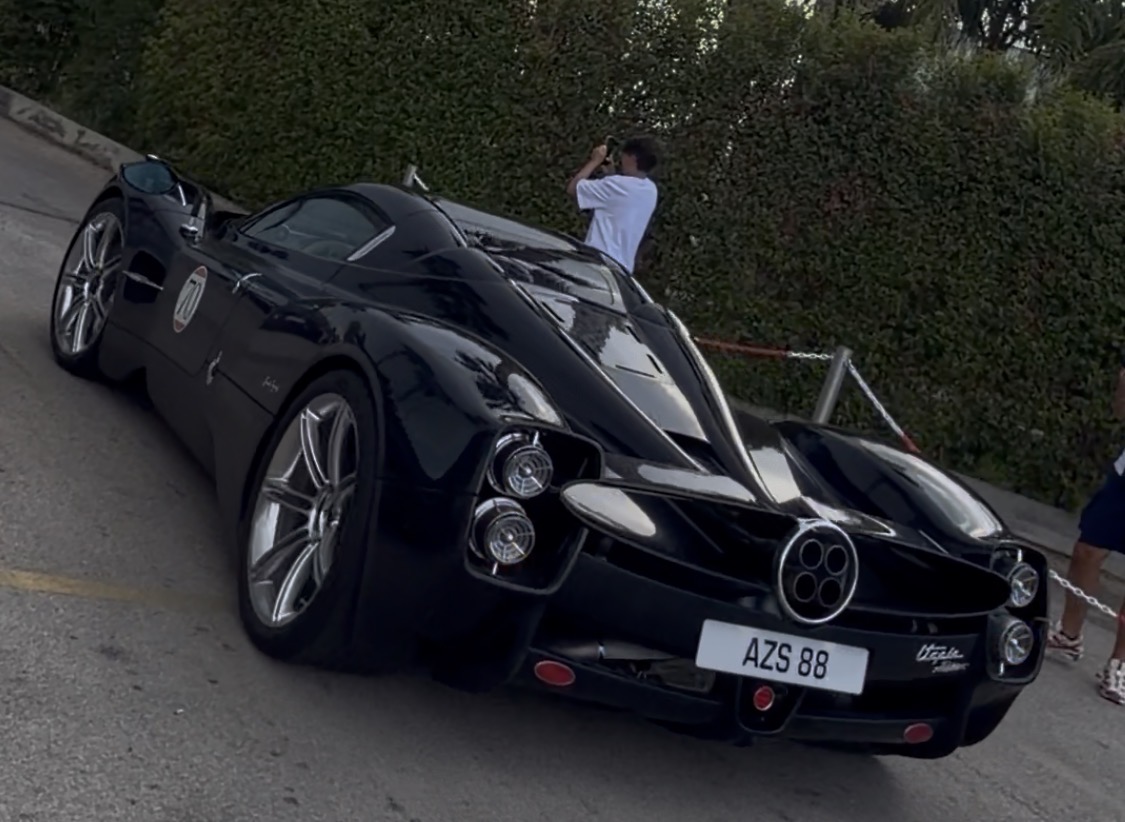
Junior Private Collection (Brazil) 🇧🇷
- €20,000,000
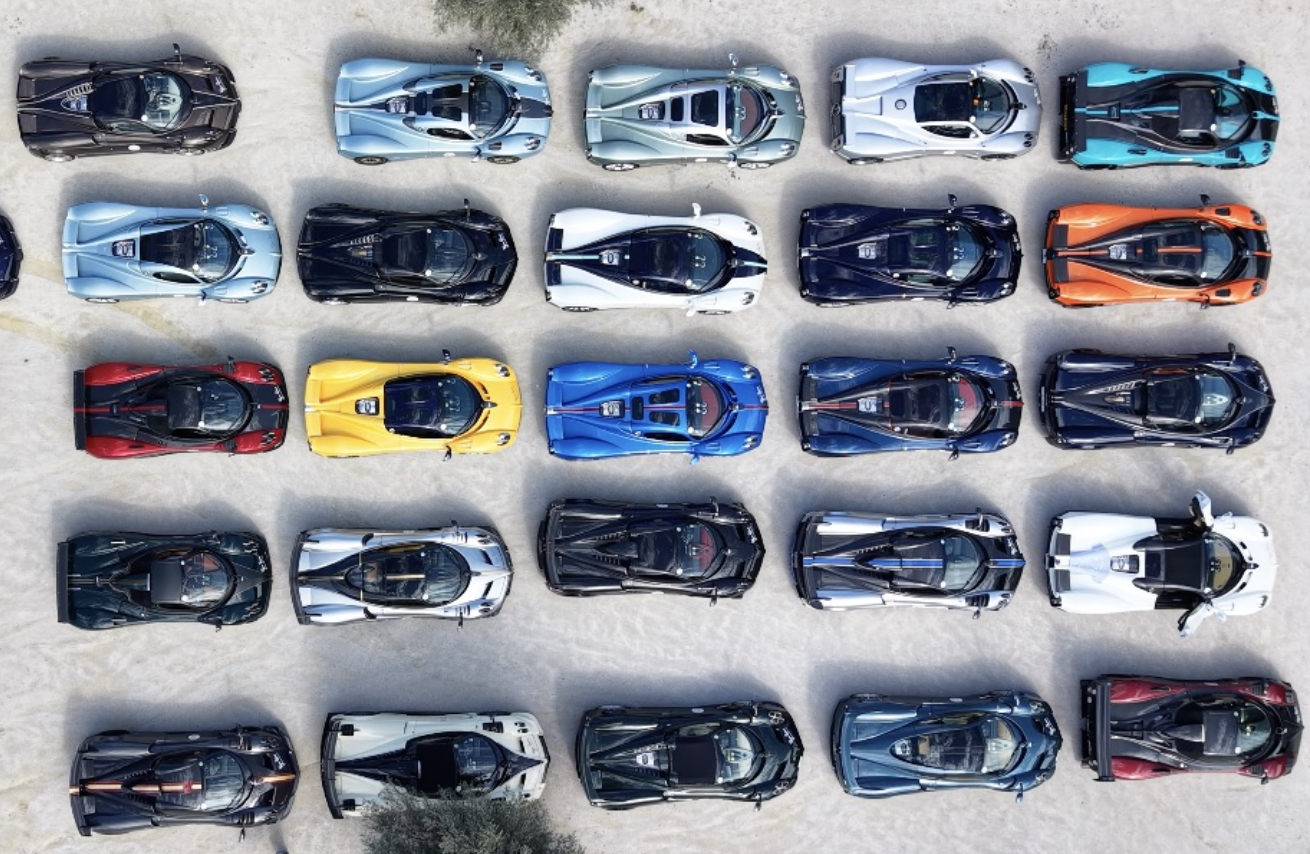
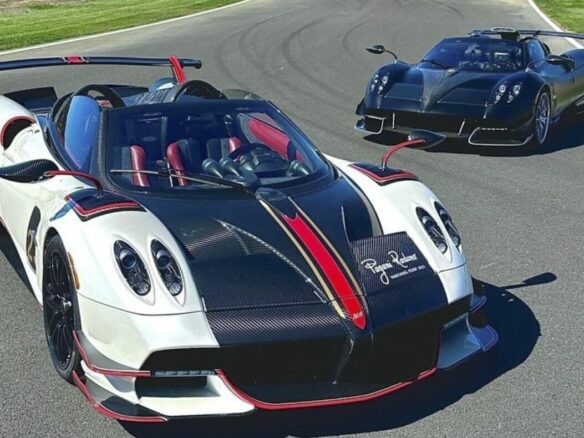
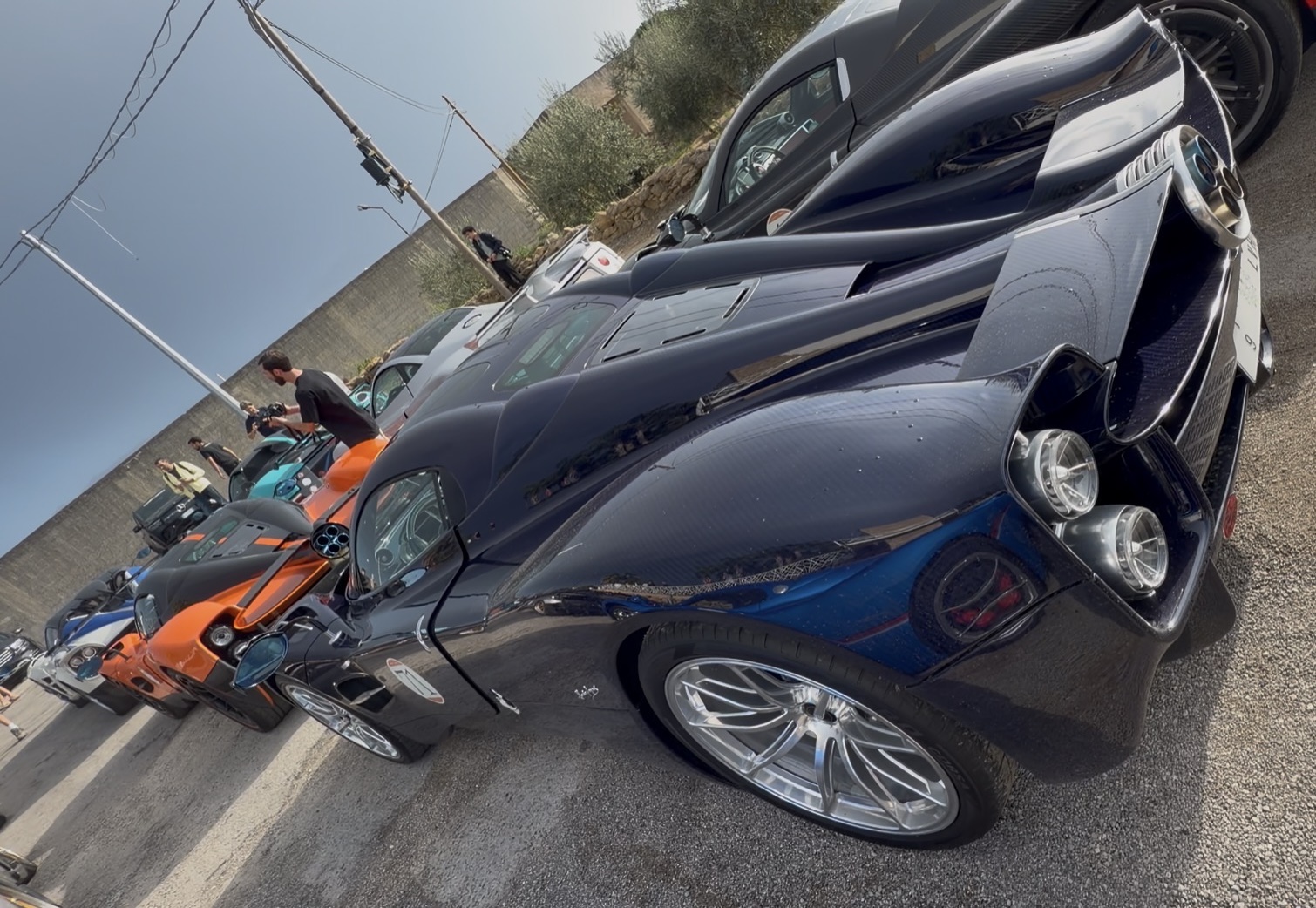
Pagani Raduno 🏎️ Organized by Pagani Automobili 🇮🇹 🌍
- €30,000
- €55,000
Michael Jordan’s Car Collection (USA) 🇺🇸
- €10,000,000