The Kaiser Collection ( Liechtenstein 🇱🇮 )
- €25,000,000




- 136934
- €25,000,000
Description
The Kaiser Collection 🏎️🇱🇮
The World’s most impressive Car Collections Owned by Fritz Kaiser in Vaduz, Liechtenstein
this private collection is a curated celebration of iconic sports cars from the 1950s and 1960s, highlighting engineering brilliance, racing pedigree, and timeless design. The focus remains firmly on the golden era of automotive excellence.
Collection Overview 🚗
| Make & Model | Year(s) Produced | Engine Specs | Power Output | Top Speed | Production Numbers | Key Features |
|---|---|---|---|---|---|---|
| Aston Martin DB4 GT 🇬🇧 | 1959–1963 | 3.7L/3.8L DOHC straight-6 | 302 hp | 246 km/h | 75 units (plus 19 Zagatos) | Lightweight body, shorter wheelbase, disc brakes |
| Cisitalia 202 SC 🇮🇹 | 1947–1952 | 1.1L Fiat-derived inline-4 | 55–60 hp | 154 km/h | ~170 units (incl. ~20 SMM) | Tubular spaceframe, aerodynamic Pinin Farina body |
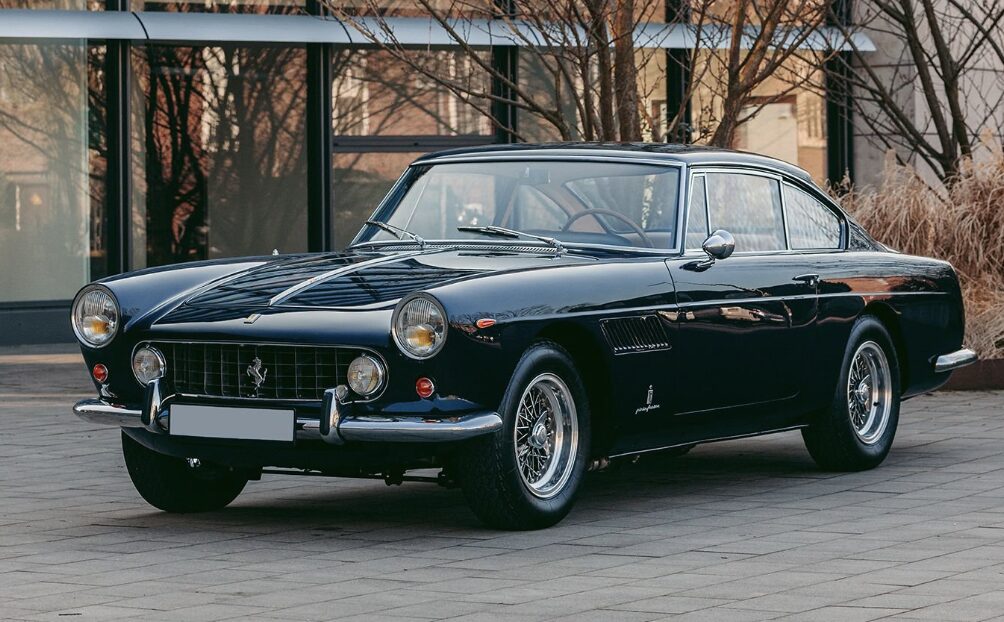
| Ferrari 250 GT 2+2 Series II 🇮🇹 | 1961–1963 | 3.0L SOHC Colombo V12 | 240 hp | 230 km/h | 955 units (all series) | Four-seater GT, overdrive transmission, disc brakes |
| Lamborghini Miura P400 🇮🇹 | 1966–1969 | 3.9L DOHC V12 | 350 hp | 275 km/h | 275 units | Rear mid-engine layout, transverse V12, pop-up headlights |
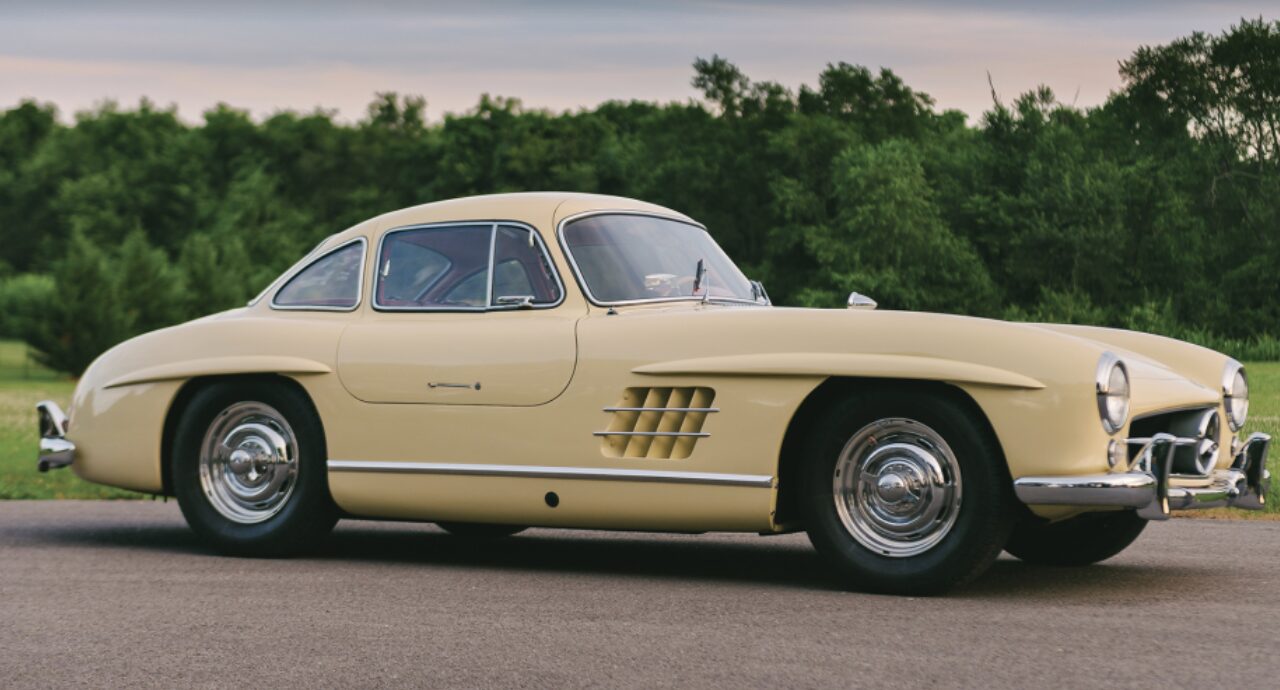
| Mercedes-Benz 300 SL Gullwing 🇩🇪 | 1954–1957 | 3.0L SOHC straight-6 | 215–240 hp | 260 km/h | 1,400 units | Gullwing doors, fuel injection, tubular frame |
| Pegaso Z-102 🇪🇸 | 1951–1958 | 2.5–3.2L DOHC V8 | 175–360 hp | 243 km/h | 84 units | Supercharger option, 5-speed transaxle, alloy body |
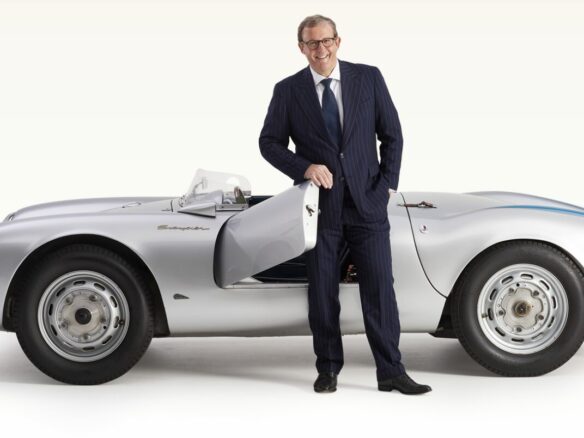
| Porsche 550 Spyder 🇩🇪 | 1953–1956 | 1.5L DOHC flat-4 | 110–135 hp | 220 km/h | 90 units | Mid-engine, spaceframe chassis, lightweight design |
Aston Martin DB4 GT 🇬🇧 🚀
The Aston Martin DB4 GT is a high-performance masterpiece from the golden era. Launched at the 1959 London Motor Show as an enhanced version of the DB4, it was hand-built in Newport Pagnell until 1963. Only 75 standard GTs were made, alongside 19 ultra-rare Zagato-bodied versions and one Bertone special.
The car is powered by a 3.7-litre or 3.8-litre DOHC straight-six engine equipped with three twin-choke Weber carburettors, twin spark plugs per cylinder, twin distributors, and a 9.0:1 compression ratio, producing 302 hp at 6,000 rpm and 366 Nm at 5,000 rpm. This delivered 0–100 km/h in 6.1 seconds and a top speed of 246 km/h, making it one of the fastest production cars of its time.
The wheelbase was shortened by 13 cm to 236 cm for better agility, and weight was reduced by approximately 85 kg through thinner aluminium panels. Suspension comprised independent front coil springs, a live rear axle with Watt’s linkage, and servo-assisted disc brakes all round. Most examples omitted rear seats to save weight, though a few retained them.
The DB4 GT achieved notable success in motorsport, with factory-backed entries at Le Mans and Goodwood, where drivers such as Stirling Moss claimed victories. Today, well-preserved originals are among the most sought-after classic Aston Martins.
Cisitalia 202 SC 🇮🇹 (1947) 🏁
The Cisitalia 202 SC is a landmark of post-war Italian design. Hand-built in Turin between 1947 and 1952, it featured revolutionary aerodynamic coachwork penned by Pinin Farina, with smooth, flowing lines that blended fenders, hood, and headlights into one continuous surface. Around 170 units were produced, including roughly 20 Mille Miglia Spider variants and 17 cabriolets.
Power came from a 1.1-litre (1,089 cc) Fiat-derived inline-four engine with a single Weber carburettor, developing 55–60 hp at 5,500 rpm and 184 Nm at 3,900 rpm. Top speed reached 154 km/h, with 0–100 km/h taking 14–20 seconds depending on conditions.
The lightweight tubular spaceframe chassis weighed about 990 kg and used independent front suspension with A-arms, coil springs, and lever-arm dampers, plus a live rear axle on semi-elliptic leaf springs. Braking was by four-wheel hydraulic drums, and drive was transmitted via a four-speed manual gearbox.
Its racing highlight came at the 1947 Mille Miglia, where Tazio Nuvolari piloted an SMM Spider to second place overall and first in class, leading for much of the rain-soaked event. Similar cars finished third and fourth that year. The 202 SC remains celebrated for its artistic and technical influence.
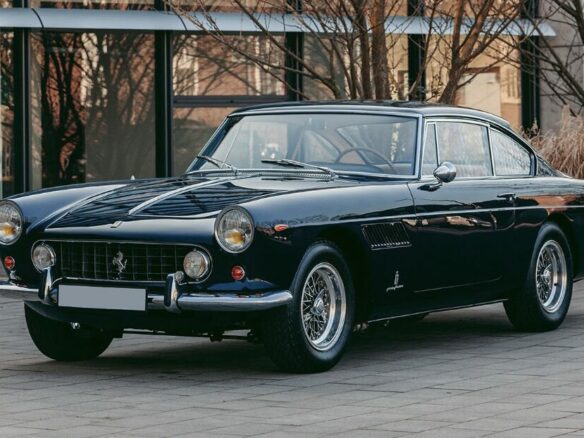
Ferrari 250 GT 2+2 Series II 🇮🇹 🚗
The Ferrari 250 GT 2+2 Series II is the epitome of elegant grand touring. Part of the legendary 250 family built from 1952 to 1964, this four-seater (also known as the 250 GT/E) was unveiled at the 1960 Paris Motor Show and remained in production until 1963. Across all three series, 955 examples were constructed by Pinin Farina, with the Series II (1961–1962) accounting for 356 cars featuring improved ventilation and additional instrumentation.
The heart is a 3.0-litre (2,953 cc) SOHC Colombo V12 engine producing 240 hp at 7,000 rpm and 245 Nm at 5,000 rpm, fed by three Weber 40 DCL/6 carburettors. Paired with a four-speed manual gearbox (overdrive available), it achieved a top speed of 230 km/h and 0–100 km/h in approximately 8 seconds.
The 2,600 mm wheelbase chassis featured independent front suspension with coil springs, a live rear axle (initially leaf-sprung, later coil-sprung), and drum brakes upgraded to discs on Series II models. Borrani wire-spoke wheels completed the classic look.
While not built as a pure racer, related 250 models dominated events such as Le Mans, the Tour de France Automobile, and Sebring during the era. One notable 250 GT/E even served with the Rome Police in high-profile anti-Mafia operations until 1968.
Lamborghini Miura P400 🇮🇹 🐂
The Lamborghini Miura P400 redefined the supercar concept. Produced in Sant’Agata Bolognese from 1966 to 1969 (part of the 1966–1973 Miura run), it introduced the rear mid-engine, transverse V12 layout to road cars. Of the 763 Miuras built, 275 were P400 models.
The 3.9-litre (3,929 cc) DOHC 60-degree V12 engine delivered 350 hp at 7,000 rpm and 355 Nm at 5,000 rpm through four Weber carburettors. With a dry weight of 1,125 kg, it recorded 0–100 km/h in around 7 seconds and a top speed of 275 km/h (claimed figures reached 300 km/h).
Bertone styling by Marcello Gandini included pop-up headlights, aluminium body panels, double-wishbone suspension, and Girling disc brakes. Power reached the rear wheels via a five-speed transaxle gearbox.
The Miura’s influence extended to one-off racers like the Jota prototype and a handful of SV/J variants. It remains one of the most iconic and valuable cars of the 1960s.
Mercedes-Benz 300 SL Gullwing 🇩🇪 🌟
The Mercedes-Benz 300 SL Gullwing is an engineering icon. Introduced as a production coupe in 1954 and built until 1957 (roadster followed 1957–1963), it evolved directly from the 1952 W194 racing car. Exactly 1,400 gullwing coupes were produced.
The 3.0-litre (2,996 cc) M198 straight-six featured Bosch direct fuel injection—the first on a production car—producing 215–240 hp at 6,100 rpm and 294 Nm at 4,800 rpm. Top speed reached 260 km/h, with 0–100 km/h in 9.3 seconds at a curb weight of 1,295 kg.
The iconic gullwing doors were a consequence of the high sills of the tubular spaceframe chassis. Suspension was independent all round (coil springs front, swing-axle rear), and early models used drum brakes (discs arrived in 1961).
Racing success included outright victories at the 1952 Le Mans 24 Hours, the Carrera Panamericana, and the 1955 European Rally Championship. The 300 SL Gullwing remains one of the most desirable post-war classics.
Pegaso Z-102 🇪🇸
The Pegaso Z-102 is a rare and ambitious Spanish exotic. Manufactured by ENASA in Madrid from 1951 to 1958 under the direction of former Alfa Romeo engineer Wifredo Ricart, only 84 examples (some sources cite 71) were completed, including 28 cabriolets with coachwork by Touring, Saoutchik, Serra, and ENASA.
Engines were all-alloy DOHC V8 units ranging from 2.5 to 3.2 litres, producing 175–360 hp depending on specification (carburettors or optional supercharger). A typical 2.8-litre version delivered 168 hp at 6,300 rpm and 216 Nm at 3,600 rpm. With a dry weight around 990 kg, top speed reached 243 km/h in supercharged form, and 0–100 km/h took 8.5 seconds.
The car featured a pressed-steel chassis, De Dion rear axle, torsion-bar suspension, and a five-speed transaxle gearbox. It competed at Le Mans in 1953, the Carrera Panamericana in 1954, and set a 243 km/h flying-kilometre record at Jabbeke in 1953.
Porsche 550 Spyder 🇩🇪 🏆
The Porsche 550 Spyder is one of the most legendary small-displacement racers ever built. Produced between 1953 and 1956, only 90 examples left the factory. It debuted at the 1953 Paris Motor Show and later evolved into the 550A and 718 series.
The mid-mounted 1.5-litre DOHC flat-four engine produced 110–135 hp at 6,200 rpm and 121 Nm at 5,000 rpm, driving the rear wheels through a four- or five-speed manual gearbox. At just 550 kg, it achieved a top speed of 220 km/h.
The lightweight spaceframe chassis, removable hardtop, and torsion-bar suspension delivered exceptional balance and agility. The 550 dominated the 1.5-litre class, securing class victories at Le Mans, the Carrera Panamericana, and the 1956 Targa Florio among many other events.
Details
Updated on January 31, 2026 at 1:54 pm-
Property ID 136934
-
Price €25,000,000
-
Property Status Not for sale, The World’s most impressive Car Collections




Similar Listings
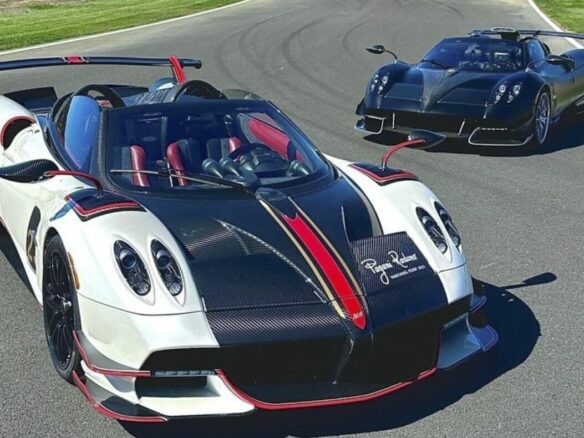
BMF Super Car Collection (USA) 🇺🇸
- €40,000,000
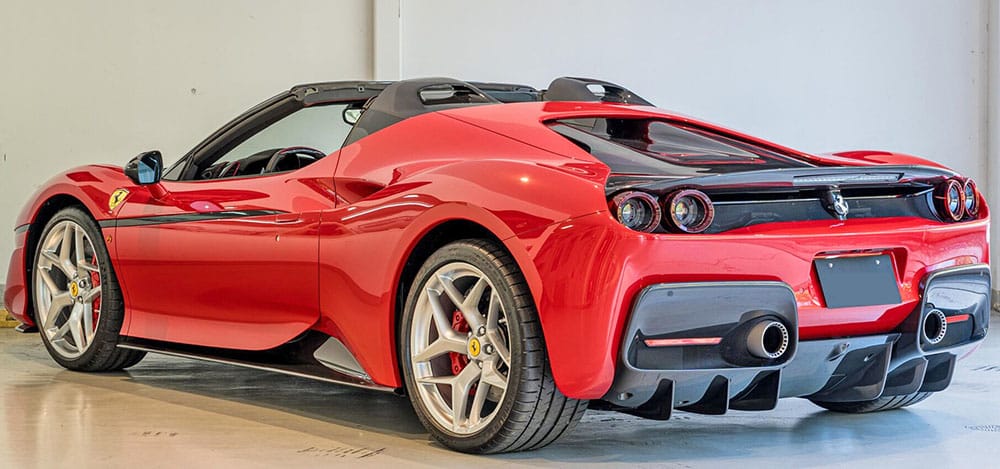

The Blue Ferrari Collection (Germany) 🇩🇪
- €20,000,000
Junior Private Collection (Brazil) 🇧🇷
- €20,000,000
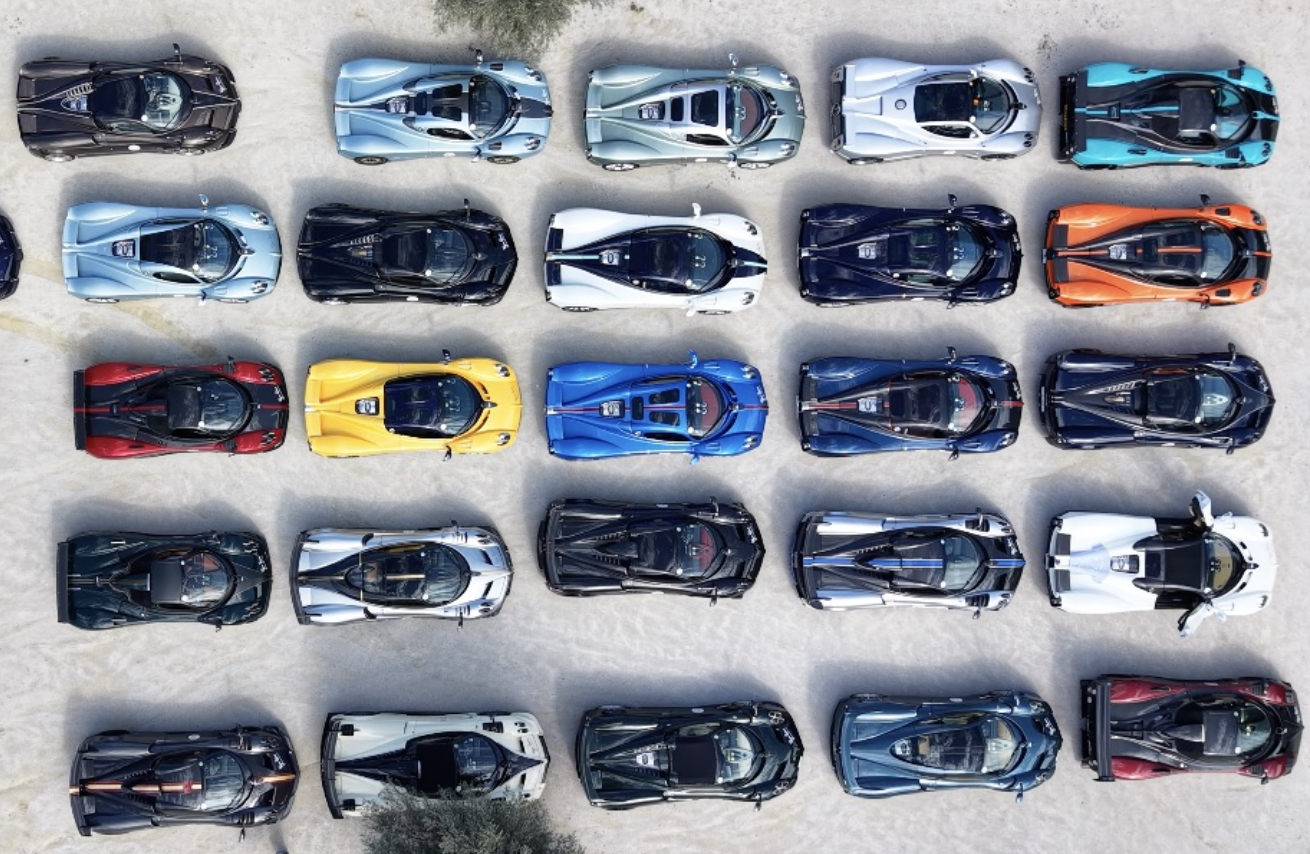
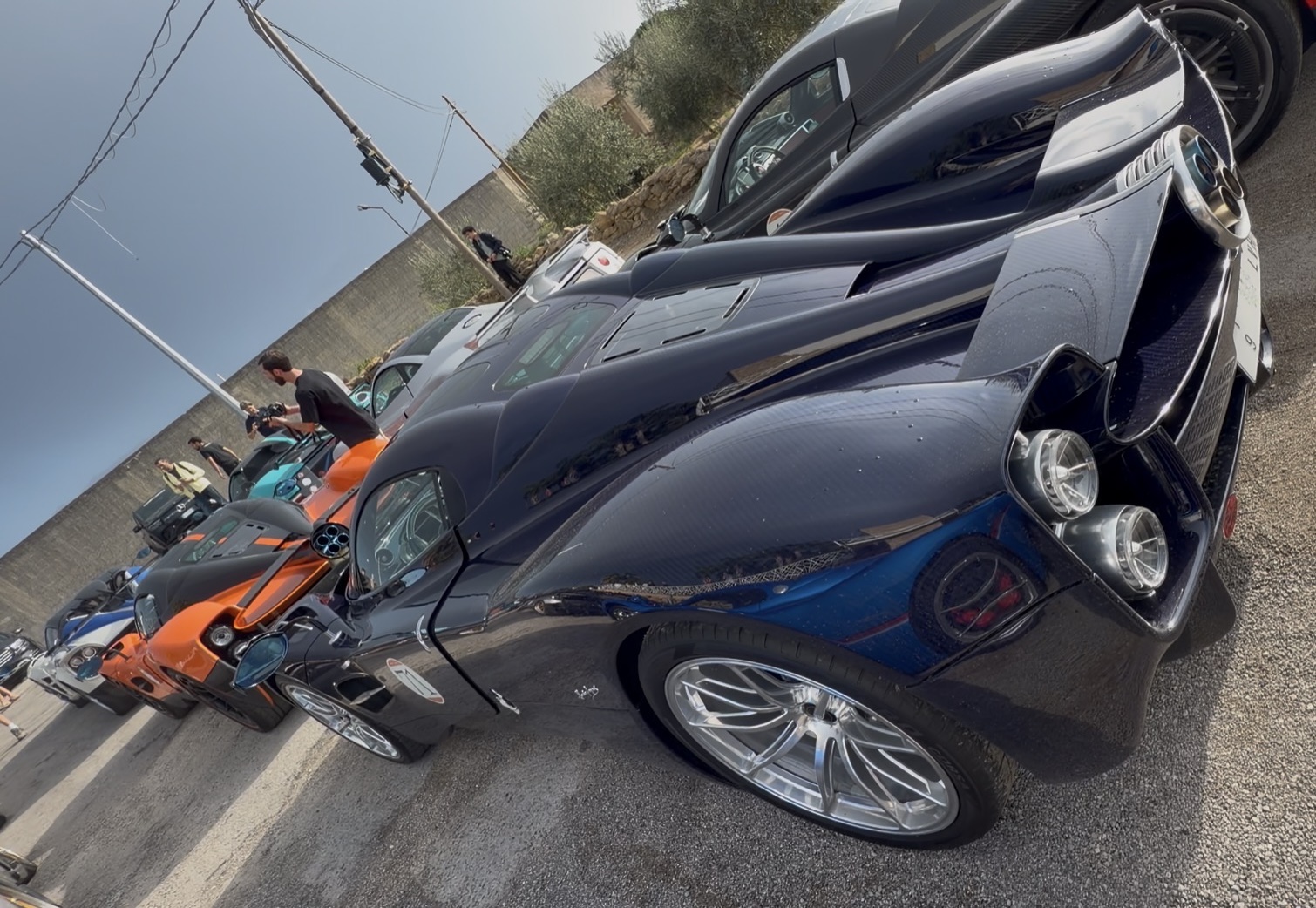
Pagani Raduno 🏎️ Organized by Pagani Automobili 🇮🇹 🌍
- €30,000
- €55,000
Michael Jordan’s Car Collection (USA) 🇺🇸
- €10,000,000